
Last updated September 25, 2026
DIY vs Professional ADU: The Lancaster Homeowner’s Decision Guide
California law allows a homeowner to pull their own ADU permit as an owner-builder. The same law prohibits that homeowner from selling the property within 12 months of completion without disclosing that the work was not performed by a licensed contractor - a disclosure that directly affects buyer financing eligibility and sale price. In Lancaster, where home values have climbed steadily since 2015 and many owners view their ADU as a long-term wealth-building asset, this single clause in the California Business and Professions Code changes the math entirely. This guide walks through what owner-builder status actually costs - see our ADU Cost Breakdown: The Lancaster Homeowner’s Reference for 2026 for deeper numbers - which tasks California prohibits you from doing yourself, and the three Lancaster-specific conditions that make self-management impractical regardless of your skill level.
Quick Answer
Owner-builder ADU permits are legal in California and occasionally appropriate - but the decision to self-manage isn’t primarily a question of skill, it’s a question of which liabilities transfer to you the moment you pull the permit in your name. Most Lancaster homeowners find that a design-build studio eliminates the designer-versus-builder blame gap while preserving their property’s resale value and financing eligibility.
Table of Contents
- The Owner-Builder Legal Reality: What the Permit Actually Transfers
- Tasks California Prohibits an Owner-Builder from Performing
- Three Lancaster-Specific Barriers to Owner-Builder ADUs
- Real Cost Comparison: Owner-Builder vs. Design-Build Contract
- The One Partial-DIY Scenario That Makes Financial Sense
- How Owner-Builder Status Affects Financing and Insurance
- Common Mistakes to Avoid
- When to Call a Professional
- Frequently Asked Questions
The Owner-Builder Legal Reality: What the Permit Actually Transfers
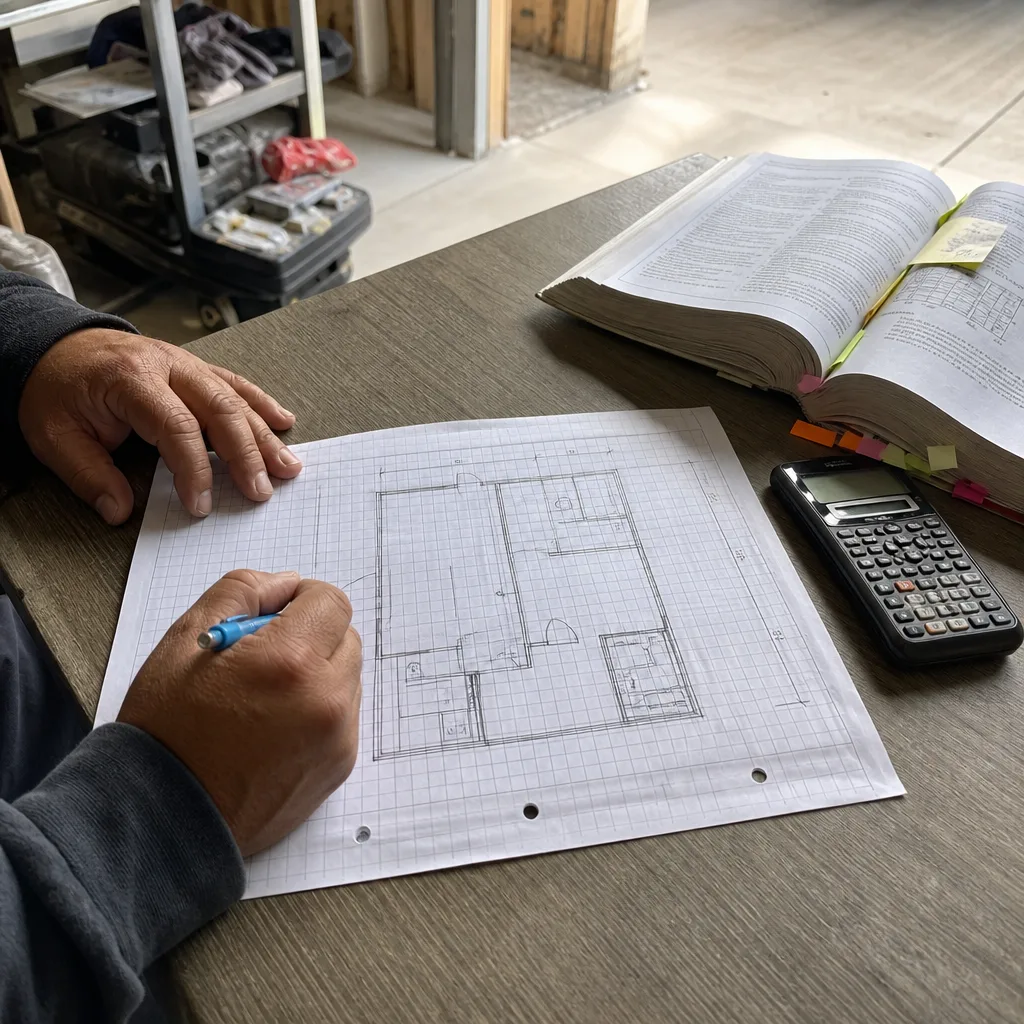
When you sign the owner-builder declaration at the Lancaster Building and Safety Division counter, you’re not just saving on contractor markup. You’re accepting legal responsibility for every subcontractor’s work, every code compliance decision, and every defect that appears after final inspection. The California Contractors State License Board (CSLB) makes this explicit: owner-builders are treated as the general contractor for all legal and financial purposes.
The disclosure requirement is where most homeowners get surprised. California Business and Professions Code Section 7044 requires that any owner-built structure sold within 12 months of completion carry a specific disclosure on the purchase agreement. The language is standardized: “This structure was constructed by the owner-builder and may not have been constructed by a licensed contractor.” In practice, this appears in Section 7 of the California Residential Purchase Agreement, the same section where sellers disclose lead paint, natural hazards, and structural defects.
Here’s what that disclosure triggers in a Lancaster sale:
- Conventional loan underwriters often require a contractor’s warranty for owner-built structures, which by definition does not exist
- FHA and VA loans may classify the ADU as non-warrantable, limiting buyer pool and sale price
- Cash buyers and investors use the disclosure to negotiate purchase price downward, typically 3-8 percent on comparable Lancaster sales we’ve tracked
- Title insurance endorsements for the ADU may be declined or surcharged
The 12-month clock starts at certificate of occupancy, not at construction start. If your project runs long - and Lancaster ADU timelines average 11-16 months from permit to final, based on our permit tracking - you’re functionally locked out of selling for two to three years from groundbreaking. For homeowners who bought between 2015 and 2025 at peak prices and may need liquidity, this is a constraint worth modeling explicitly.
We’ve seen this play out in Lancaster’s Quartz Hill and West Lancaster neighborhoods, where owners who built ADUs in 2021-2022 are now listing and discovering the disclosure’s market impact. The ones who used licensed contractors of record have unremarkable sales. The owner-builders face extended days-on-market or price reductions.
Tasks California Prohibits an Owner-Builder from Performing
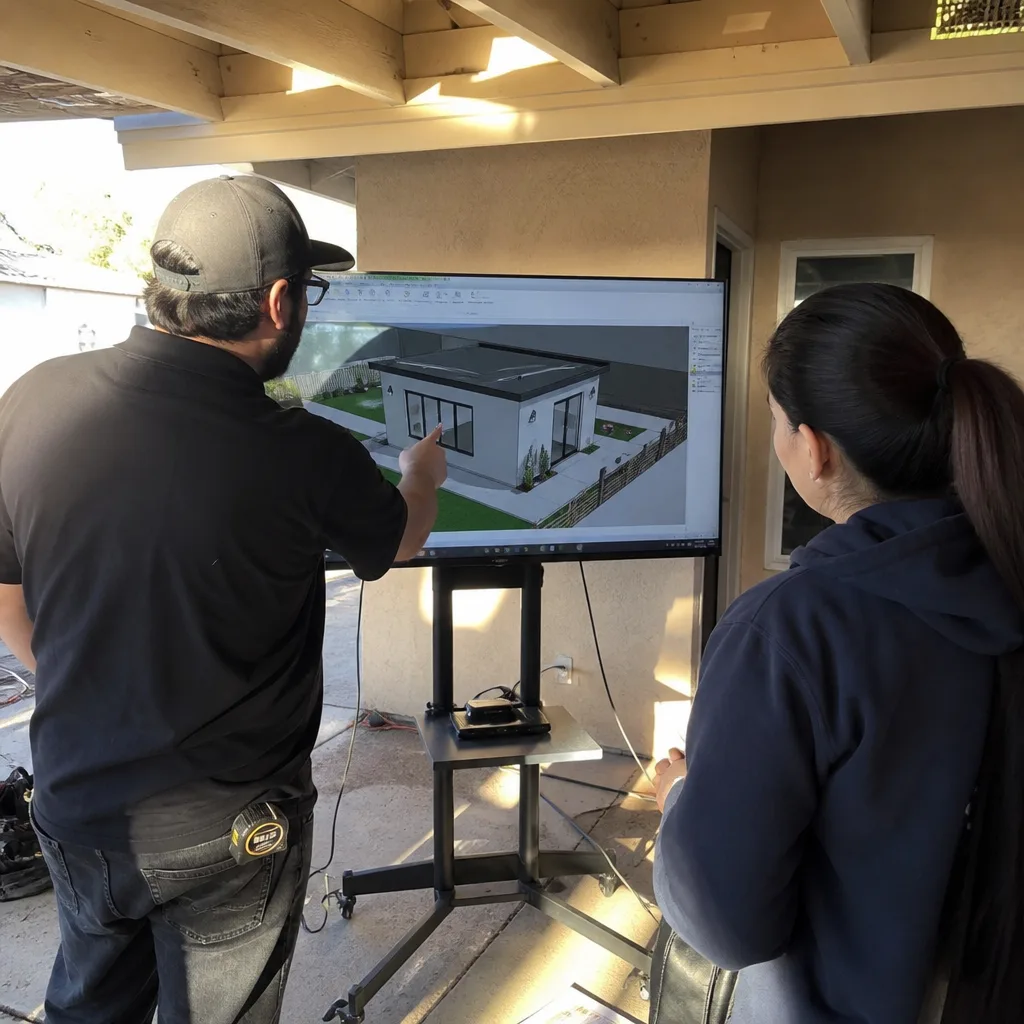
Even with an owner-builder permit, California law draws hard lines around specific trades and systems. These aren’t suggestions or local interpretations - they’re statewide prohibitions with criminal penalties for violation. An owner-builder who performs prohibited work faces permit revocation, red-tagging, and potential misdemeanor charges under Business and Professions Code Section 7028.
Electrical Panel Work Over 100 Amps
California Electrical Code, based on NEC Article 230, requires a C-10 licensed electrician for any service panel upgrade or new service installation exceeding 100 amps. Most Lancaster ADUs require 125-amp minimum service, and many existing Lancaster homes built before 1990 need panel upgrades to accommodate the additional load. The owner-builder can pull the permit, but cannot legally perform the work. Subcontracting this out is standard, but the owner-builder remains the responsible party on the permit.
Gas Line Installation
Any new gas line, including the stub-out to a tankless water heater or kitchen range, requires a C-36 licensed plumbing contractor. In Lancaster’s climate, where winter lows regularly hit the mid-20s and gas heating is common, most detached ADUs include gas service - one reason Seasonal ADU Care for Lancaster: Year-Round Homeowner’s Guide matters for long-term performance. The owner-builder cannot run this line, cannot pressure-test it, and cannot call for inspection on it.
Structural Elements Requiring Engineered Wet Stamps
When Lancaster Building and Safety requires a structural engineering wet stamp on the inspection card - common for hillside lots, expansive soils, or any design departing from prescriptive code - only a licensed civil or structural engineer (SE) can sign. The owner-builder cannot self-certify, cannot use a standard plan, and cannot proceed past rough inspection without the engineer’s signature present.
Fire Suppression Systems
Any fire sprinkler system, required on many Lancaster ADUs based on lot size and water main capacity, must be installed by a C-16 licensed fire protection contractor. This is not a handyman task. The system requires hydraulic calculations, flow testing, and signed certification to L.A. County Fire.
What remains for the owner-builder? Framing, roofing, drywall, painting, flooring, cabinetry, landscaping - the finish trades. But the infrastructure that makes an ADU habitable and insurable is largely off-limits.
Three Lancaster-Specific Barriers to Owner-Builder ADUs
California’s statewide prohibitions apply everywhere. Lancaster adds three local conditions that make owner-builder status impractical regardless of your construction skill or available time.
1. Soils Reports Require Licensed Geotechnical Engineers
Lancaster sits on the western edge of the Mojave Desert, where expansive clay soils and seasonal groundwater fluctuation create foundation challenges that prescriptive code doesn’t address. The Lancaster Building and Safety Division regularly requires geotechnical reports for new detached ADUs, particularly in neighborhoods east of the Antelope Valley Freeway where alluvial deposits are common. These reports must be prepared by a California-registered geotechnical engineer, and their recommendations - pier depths, slab reinforcement, moisture barriers - become permit conditions. An owner-builder cannot self-perform this assessment, cannot interpret the report for the building official, and cannot modify the foundation design without re-engaging the engineer. The cost is typically $2,800-$4,500, and it’s a gate: no report, no permit.
2. Fire Sprinkler Systems Trigger on Many Lancaster Lots
L.A. County Fire Department, which serves unincorporated Lancaster and coordinates with the city on fire code enforcement, requires automatic fire suppression on ADUs where the combined structure square footage exceeds certain thresholds or where water main flow tests fall below 1,000 gallons per minute at 20 psi residual pressure. Lancaster’s older water infrastructure, particularly in neighborhoods developed before 1980, frequently fails this test. The C-16 contractor requirement here is absolute. We’ve seen owner-builders attempt to coordinate this trade themselves, only to discover that the sprinkler contractor won’t work without a licensed general contractor of record to sign the fire marshal’s completion certificate. The project stalls.
3. LADWP Utility Connections Require Utility-Side Licensed Work
Los Angeles Department of Water and Power serves Lancaster, and their connection requirements for new ADU meters are specific and non-negotiable. The service lateral from the main to the property line is LADWP’s infrastructure. The connection point, meter set, and backflow prevention assembly require coordination with LADWP’s contractor qualification program. Owner-builders are not eligible. The work must be performed by a contractor on LADWP’s approved list, with pull permits issued in the contractor’s name. An owner-builder can dig the trench (if they call USA North 811 first), but cannot make the connection, cannot set the meter, and cannot energize the service. In our experience, this single coordination point adds 6-10 weeks to owner-builder timelines because LADWP won’t schedule with unlicensed permit holders.
Real Cost Comparison: Owner-Builder vs. Design-Build Contract
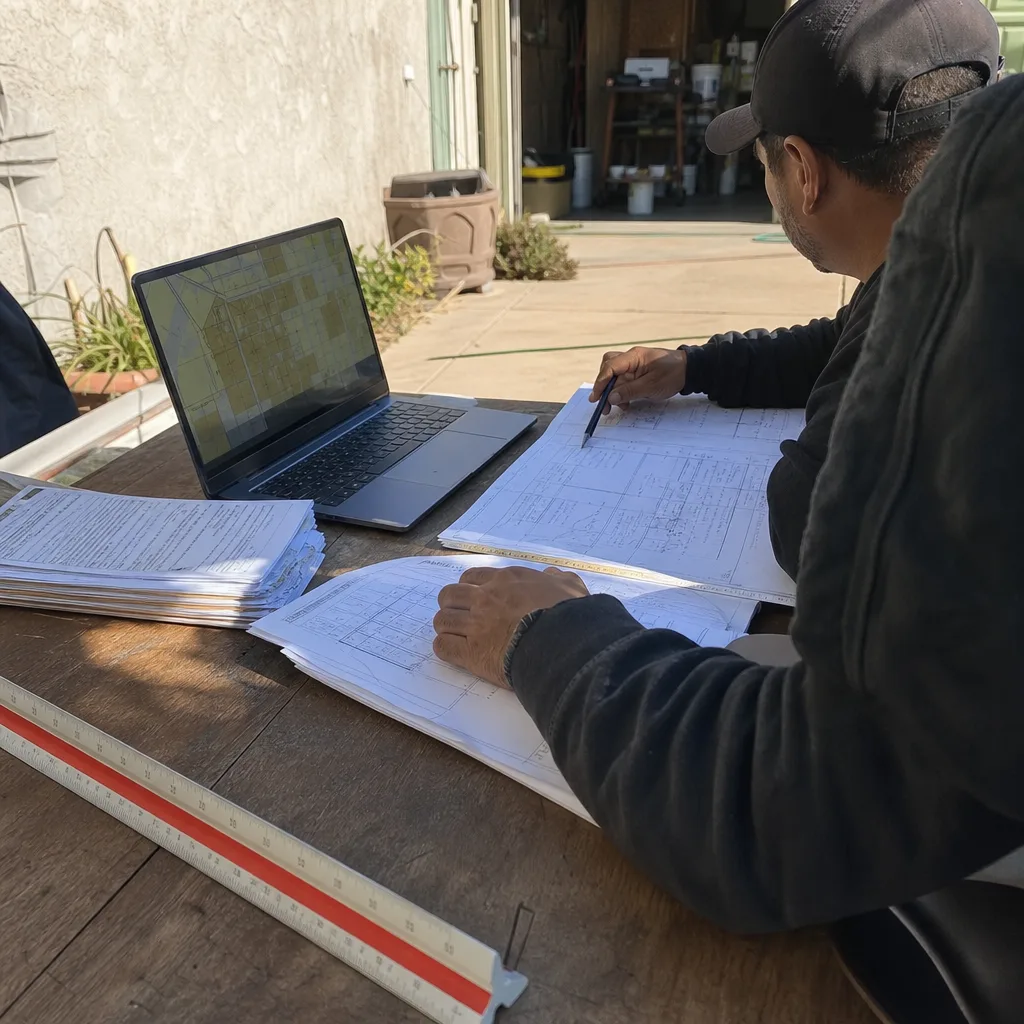
The standard assumption is that owner-builder saves 20-30 percent by eliminating general contractor overhead. The math is more complicated in Lancaster, where specific cost categories shift based on permit status.
Owner-Builder Cost Model: A 560-Square-Foot Lancaster Garage Conversion
Based on our tracking of 200+ Lancaster garage conversions since 2015, here’s a realistic owner-builder budget:
| Category | Owner-Builder | Design-Build Contract |
|---|---|---|
| Architectural drawings + permit set | $4,500-$7,500 | Included in contract |
| Permit fees (Lancaster B&S + L.A. County Fire) | $3,200-$4,800 | Included in contract |
| Structural engineering (if required) | $2,800-$4,500 | Included in contract |
| Geotechnical report (if required) | $2,800-$4,500 | Included in contract |
| Licensed trade subcontractors (electrical, plumbing, fire, HVAC) | $28,000-$42,000 | Included in contract |
| Materials (framing, roofing, finishes, fixtures) | $22,000-$34,000 | Included in contract |
| Owner labor (valued at $45/hr opportunity cost, 400 hrs) | $18,000 | N/A |
| Inspection failure remediation + resubmittal fees | $4,500-$12,000 | Contractor responsibility |
| Schedule carrying costs (rental income delayed, 3-6 months) | $6,000-$14,000 | Minimized by single-contract coordination |
| Insurance rider for owner-builder liability | $1,200-$2,400/year | Included in contractor coverage |
| Total realistic range | $92,800-$139,200 | $105,000-$155,000 |
The owner-builder saves 15-22 percent on labor management overhead but absorbs 100 percent of inspection failure costs, resubmittal fees, and schedule carrying costs. On a 14-month Lancaster project, those failure costs average $18,000-$34,000 in documented cases we’ve reviewed. The savings evaporate when the first re-inspection fails.
Under ADU Design & Permitting in Lancaster, our permit set is the core product - not an afterthought. Every project is quoted with a written price before any work begins, per Haven Standard Clause 1. The price includes the geotechnical report, the engineering wet stamps, the LADWP coordination, and the fire sprinkler certification. If inspection fails, we remediate at our cost. If schedule slips due to our coordination, we absorb the carrying cost. That’s the difference between a price and a quote.
The One Partial-DIY Scenario That Makes Financial Sense
There is a narrow window where owner involvement produces genuine savings without transferring catastrophic liability. It requires precise timing, a licensed contractor of record who agrees to the arrangement, and a clear scope boundary.
The Scenario: Finish Work After Final Rough-In
- Contractor of record pulls permit and completes all rough work - foundation, framing, roofing, MEP rough-in, insulation, fire suppression. All inspections signed off through rough.
- Owner takes over for finish trades only - drywall hanging and finishing, painting, flooring installation, cabinet and countertop installation, door and trim carpentry, hardware, fixture installation (non-plumbed, non-wired), landscaping and hardscaping.
- Contractor returns for final inspections and certificate of occupancy - the permit remains in the contractor’s name, the disclosure requirement does not trigger, and the warranty chain remains intact.
This works because finish trades carry minimal liability, require no licensed trade credentials, and represent roughly 18-25 percent of total project cost. The owner saves on labor markup for these items only. The contractor retains responsibility for everything behind the walls.
The critical requirement: the contractor must agree in writing to this arrangement before permit pull. Many won’t. Their insurance and bonding cover work performed under their permit, and they may view owner-performed finish work as a claims risk. We’ve structured this at Ellery ADU Studio Lancaster on select projects where the owner has demonstrated trade competency and where the finish scope is explicitly defined in the contract amendment. It’s not our default, but it’s available when conditions are right.
What doesn’t work: owner-performed rough electrical, owner-managed subcontractor coordination, or owner-permitted work with contractor “consulting.” These arrangements create liability gaps that no insurance policy covers cleanly.
How Owner-Builder Status Affects Financing and Insurance
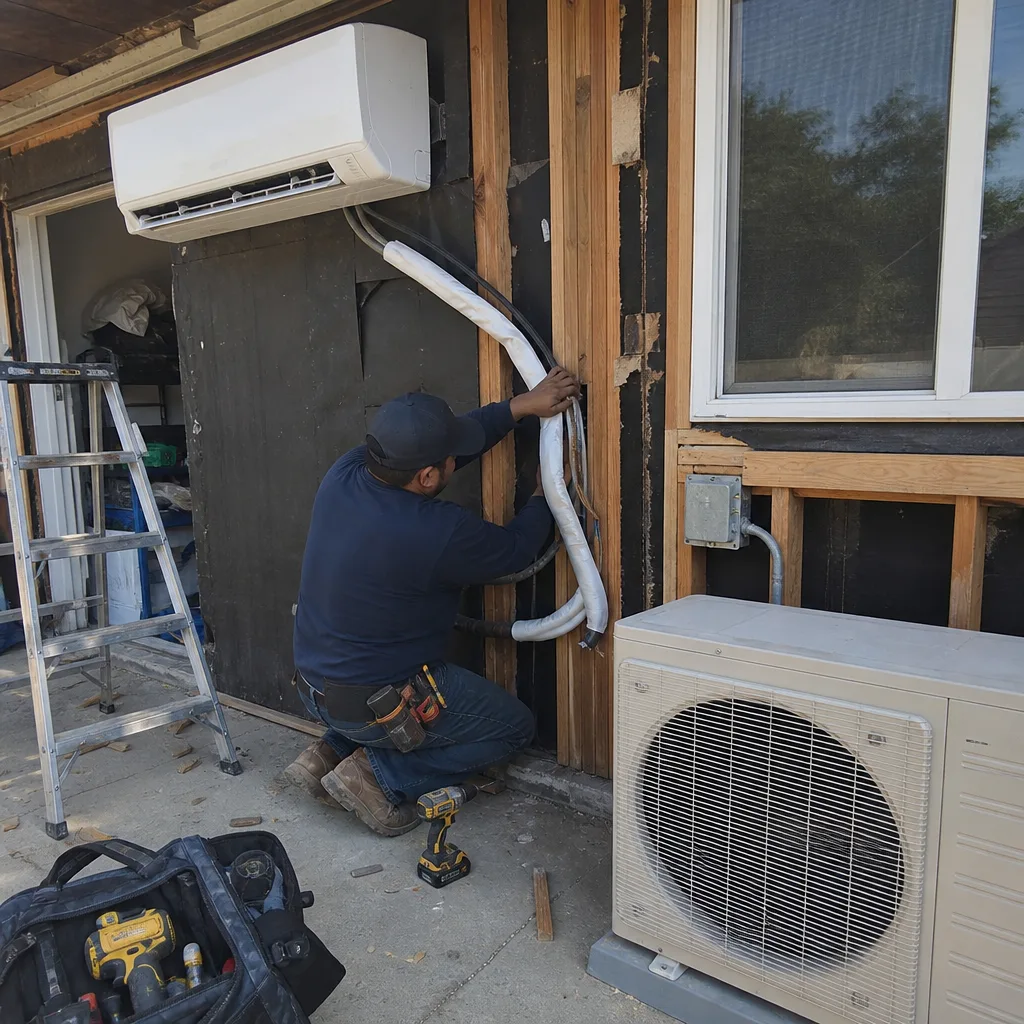
The financial implications of owner-builder status extend beyond construction cost to the asset’s entire lifecycle.
Construction Financing
Most construction-to-permanent loans require a licensed general contractor of record. Lenders verify this through the permit and the contractor’s license bond. Owner-builders face limited options: local credit unions occasionally offer owner-builder construction loans at 150-200 basis points above standard rates, with 25-30 percent down payment requirements versus 10-20 percent for contractor-built projects. The higher carrying cost typically erodes any construction savings within the first 18 months.
Property Insurance During Construction
Standard homeowners policies exclude construction-related liability. Owner-builders must purchase a builder’s risk policy or course-of-construction endorsement, naming themselves as insured. These policies cost 40-60 percent more than equivalent coverage for contractor-performed work, and many carriers decline to write them for owner-builders without prior construction experience. We’ve seen Lancaster owners discover this gap after a theft or weather event, when their claim is denied.
Long-Term Liability
California’s statute of repose for construction defects is 10 years for latent defects. An owner-builder remains personally liable for this period. A licensed contractor carries general liability insurance and, in California, a license bond that provides recourse. The owner-builder’s recourse is their personal assets. For a $150,000 ADU, this is a meaningful exposure.
Common Mistakes to Avoid
- Assuming the owner-builder permit saves 30 percent. The advertised savings assume perfect execution, zero inspection failures, and no schedule slip. In Lancaster’s permitting environment, these assumptions fail more often than they hold.
- Performing prohibited electrical or gas work to “keep the project moving.” We’ve red-tagged projects in Lancaster’s Eastside neighborhood where owner-builders installed their own subpanels. The permit was revoked, the work removed, and the restart added four months.
- Failing to model the 12-month resale disclosure. Even if you don’t plan to sell, life changes. Job transfers, family needs, market opportunities - the disclosure constrains them all.
- Using online plan templates without Lancaster-specific engineering. Prescriptive plans from other California jurisdictions often fail Lancaster’s wind exposure and seismic requirements. The resubmittal costs $2,000-$4,000 and six weeks.
- Neglecting the LADWP contractor qualification requirement. We’ve seen owner-builders complete entire structures before discovering they cannot get power. The meter set is not a formality; it’s a licensed, scheduled, inspected process.
- Assuming homeowner’s insurance covers construction. It doesn’t. The gap between policy language and owner-builder reality is where financial ruin lives.
- Skipping the soils report to save $3,500. On Lancaster’s expansive soils, this “savings” becomes a $15,000 foundation repair when the slab cracks in year three.
When to Call a Professional
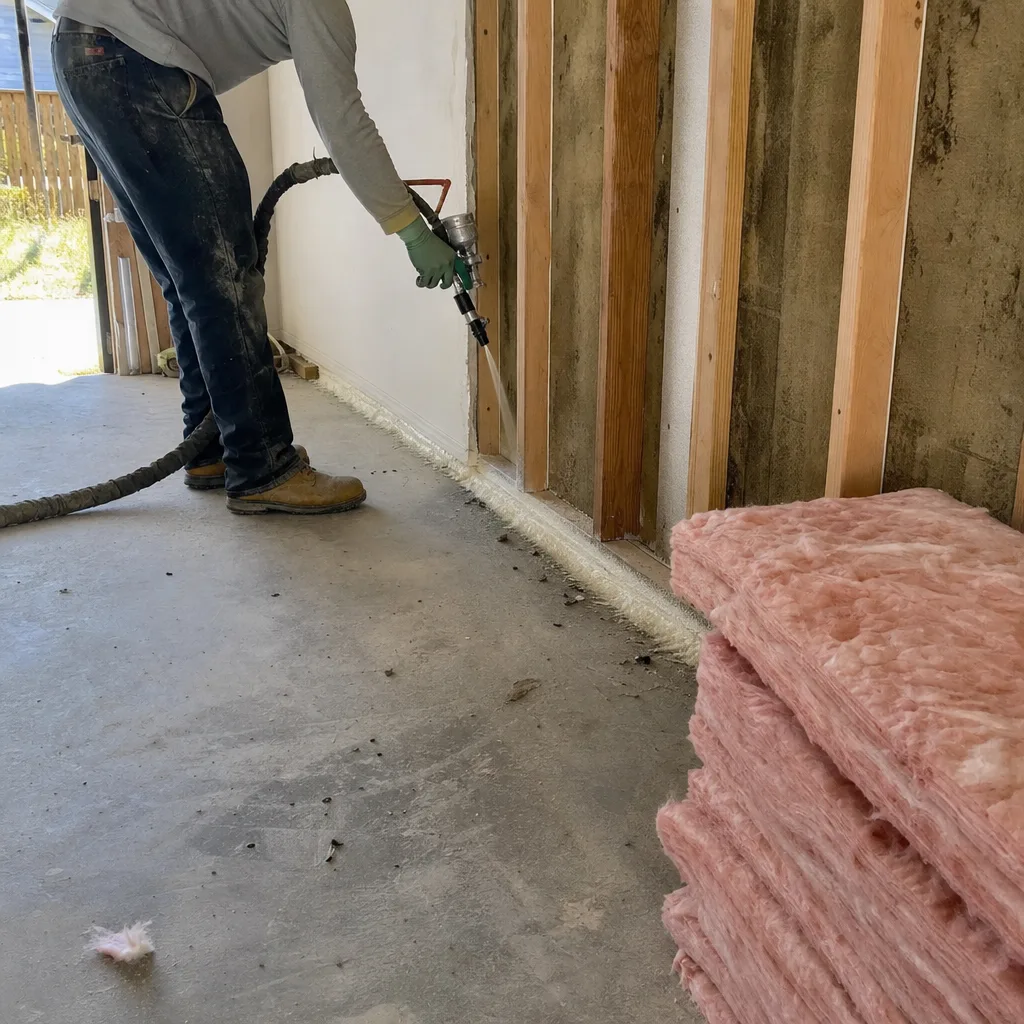
Call a licensed design-build studio when your lot has any of these conditions: hillside or sloped terrain, existing structures requiring seismic retrofit, fire sprinkler triggers based on L.A. County Fire requirements, LADWP service limitations, or a timeline that requires predictable completion for financing or occupancy. Call when the 12-month resale disclosure would constrain your financial flexibility. Call when you need the permit set, the construction, and the warranty in a single contract with a single written price.
Ellery ADU Studio Lancaster offers free estimates in Lancaster - call (661) 528-5298. Every estimate includes a written price before any work begins, per Haven Standard Clause 1. We also provide a Free Second Opinion on any written estimate already in hand.
Frequently Asked Questions
A professional New Detached ADU in Lancaster typically runs $185,000-$285,000 all-in, including design, permitting, and construction through final inspection. An owner-builder garage conversion in Lancaster realistically costs $93,000-$139,000 when all costs including owner labor, inspection failures, and carrying costs are included. The net savings are 8-15 percent, not the 25-30 percent commonly assumed. Call (661) 528-5298 for a written price on your specific project - estimates are free.
Yes, California law allows owner-builder permits for ADUs on owner-occupied properties. However, you cannot legally perform electrical panel work over 100 amps, gas line installation, fire sprinkler systems, or structural engineering that requires a wet stamp. In Lancaster, these prohibited tasks typically comprise 35-45 percent of total project scope. The permit is legal; doing all the work yourself is not.
If you sell within 12 months of completion, California law requires disclosure that the work was not performed by a licensed contractor. This disclosure appears on the purchase agreement and can disqualify buyers using FHA or VA financing, reduce cash offers by 3-8 percent, or trigger title insurance surcharges. After 12 months, the disclosure is not required, but the lack of contractor warranty may still affect buyer perception.
Many Lancaster lots require a geotechnical report, particularly east of the Antelope Valley Freeway and in neighborhoods with known expansive soils. The Lancaster Building and Safety Division determines this at plan check, not at permit application. The report costs $2,800-$4,500 and must be prepared by a California-registered geotechnical engineer. Skipping it risks foundation failure and permit revocation.
Yes, this is the partial-DIY scenario that can work. The contractor of record must pull the permit and complete all rough work through final rough-in inspections. You can then perform finish trades - painting, flooring, cabinets, trim, landscaping - before the contractor returns for final inspection and certificate of occupancy. This must be agreed in writing before permit pull, and the contractor must accept liability for your finish work. Not all contractors will. Call (661) 528-5298 to discuss whether this arrangement fits your project.
From permit issuance to certificate of occupancy, Lancaster ADUs average 11-16 months for garage conversions and 14-20 months for new detached units. Owner-builder projects average 3-6 months longer due to coordination delays with LADWP, L.A. County Fire, and inspection rescheduling. A design-build contract with single-point coordination typically hits the shorter end of these ranges.
The Bottom Line
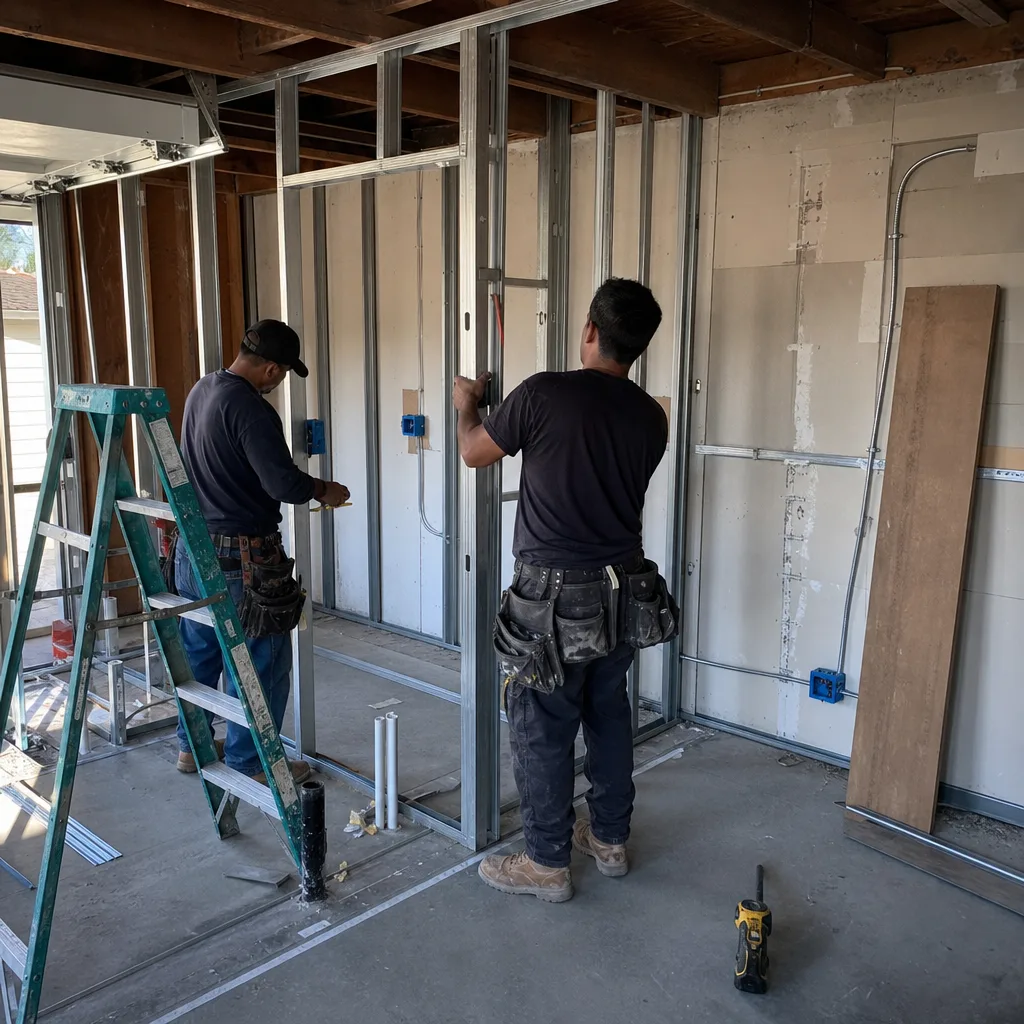
Owner-builder ADU permits are a legal option, not a financial shortcut. The real question is whether your specific Lancaster lot, your financing requirements, and your risk tolerance can absorb the liabilities that transfer with the permit. For most homeowners who bought between 2015 and 2025 and view their ADU as a long-term asset, the 8-15 percent net savings of owner-builder status are outweighed by the resale disclosure constraint, the prohibited-task requirements, and the three Lancaster-specific barriers of soils, fire suppression, and LADWP coordination. A design-build contract with a written price, documented permit set, and single-point accountability eliminates the designer-versus-builder blame gap while preserving your property’s marketability. For related guidance, see our How to Hire a ADU Contractor in Lancaster: A Step-by-Step Guide. The Haven Standard exists because we’ve documented what goes wrong when it doesn’t.
Written by Nadia Ellery, Owner at Ellery ADU Studio Lancaster, serving Lancaster since 2015.